The Centre de Recherche en Astronomie, Astrophysique et Géophysique (CRAAG), located in Bouzaréah, Algeria, operates an e-Callisto spectrometer monitoring solar radio bursts across the 45–870 MHz range. Observations typically run from 06:45 to 15:00 UTC.
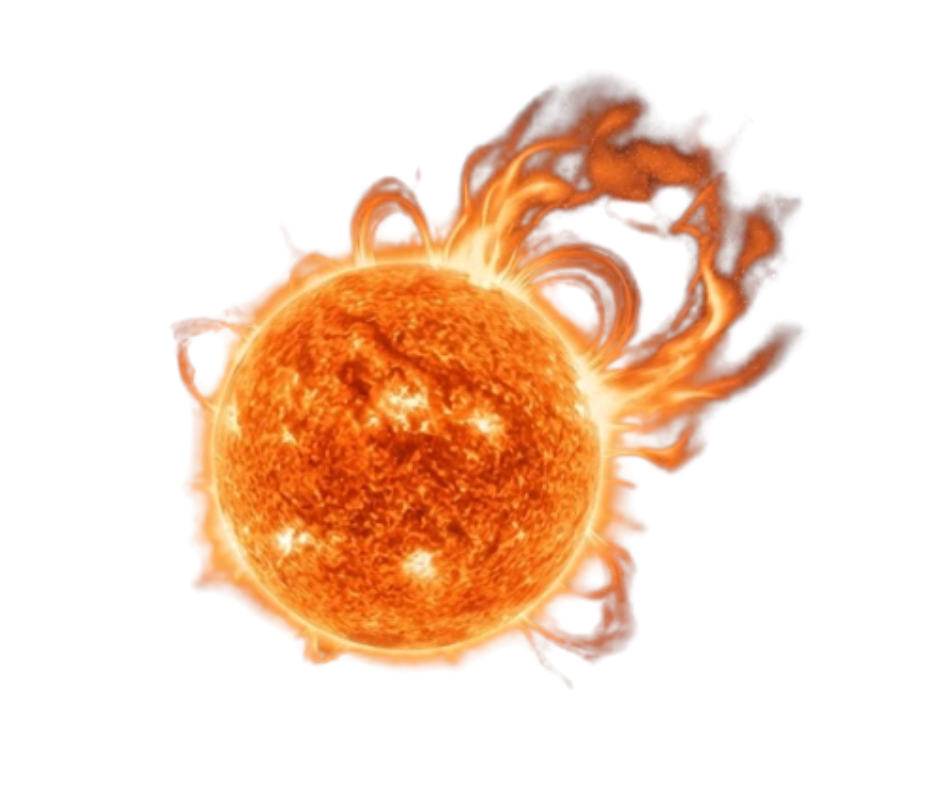
A Coronal Mass Ejection (CME) is a large expulsion of plasma and magnetic field from the Sun's corona. When Earth-directed, CMEs can cause geomagnetic storms that disrupt HF radio communications, degrade GNSS accuracy, and increase radiation exposure for satellite electronics.
Solar radio spectrometers like those at CRAAG detect the radio signatures of CMEs and solar flares (Type II and Type III bursts) within minutes of their occurrence — providing advance warning hours before geoeffective particles arrive at Earth.